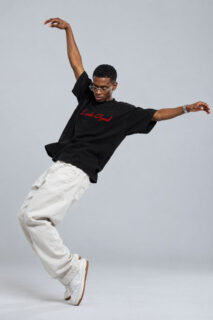
When it comes to custom t-shirt printing, two techniques dominate the market—Screen Printing and DTF (Direct-to-Film) Printing. Whether you’re starting a clothing brand, ordering promotional apparel, or printing oversized streetwear t-shirts, choosing the right printing method directly impacts your product’s quality, durability, cost, and customer satisfaction.
In this comprehensive guide, we’ll compare Screen Printing vs DTF Printing in detail, covering everything from printing quality and fabric compatibility to production speed, durability, and pricing.
If you’re looking for premium printed oversized t-shirts, understanding these differences will help you make the best decision.
Table of Contents
- What is Screen Printing?
- What is DTF Printing?
- Screen Printing vs DTF Printing Comparison
- Print Quality
- Durability
- Color Vibrancy
- Fabric Compatibility
- Production Cost
- Order Quantity
- Design Complexity
- Washability
- Eco-Friendliness
- Advantages & Disadvantages
- Which Printing Method is Best?
- Frequently Asked Questions
- Final Verdict
What is Screen Printing?
Screen Printing, also known as Silk Screen Printing, is one of the oldest and most trusted textile printing methods. Ink is pushed through a mesh screen using a squeegee, with each color requiring its own screen.
Because of this process, screen printing produces thick, vibrant, and highly durable prints that last for years.
Best For
- Bulk t-shirt orders
- Company uniforms
- Merchandise
- Streetwear brands
- Minimal color designs
- Logos and typography
What is DTF Printing?
DTF (Direct-to-Film) Printing is a modern digital printing technology where artwork is first printed onto a special PET film and then transferred onto fabric using heat and adhesive powder.
Unlike DTG printing, DTF works on almost every fabric and produces vibrant, detailed prints with minimal setup.
Best For
- Small orders
- One-off prints
- Photo-quality artwork
- Multi-color graphics
- Complex illustrations
- Print-on-demand businesses
Screen Printing vs DTF Printing: Quick Comparison
| Feature | Screen Printing | DTF Printing |
|---|---|---|
| Print Quality | Excellent | Excellent |
| Photo Printing | Limited | Excellent |
| Durability | 8–10 Years | 5–8 Years |
| Setup Cost | High | Low |
| Bulk Orders | Best Choice | Good |
| Small Orders | Expensive | Best Choice |
| Fabric Types | Limited | Almost All Fabrics |
| Multi-Color Prints | Costly | Easy |
| Production Speed | Fast for Bulk | Fast for Small Orders |
| Feel on Fabric | Soft | Slightly Raised |
1. Print Quality Comparison
Screen Printing
Screen printing creates bold, rich colors with excellent opacity.
Advantages:
- Deep color saturation
- Premium finish
- Professional appearance
- Excellent ink coverage
Ideal for:
- Brand logos
- Typography
- Simple graphics
- Corporate uniforms
DTF Printing
DTF printing shines when designs include:
- Gradients
- Shadows
- Tiny details
- Unlimited colors
- High-resolution images
Perfect for:
- Anime graphics
- Streetwear artwork
- Photo printing
- Artistic illustrations
Winner: DTF Printing for detailed artwork.
2. Durability Comparison
Screen printing ink penetrates the fabric deeply.
A properly printed screen-printed t-shirt can survive:
- 100+ washes
- Heavy usage
- Years of wear
DTF prints are also durable but rely on adhesive bonding.
With proper care:
- 60–80 washes
- Excellent stretch resistance
- Good color retention
Winner: Screen Printing
3. Color Vibrancy
Screen Printing
- Rich solid colors
- Bright Pantone shades
- Thick ink coverage
DTF Printing
- Millions of colors
- Smooth gradients
- Photo realism
Winner: DTF for colorful artwork.
4. Fabric Compatibility
Screen Printing
Works best on:
- Cotton
- Cotton blends
Less effective on:
- Nylon
- Polyester
- Stretch fabrics
DTF Printing
Works on:
- Cotton
- Polyester
- Nylon
- Lycra
- Blends
- Canvas
- Denim
Winner: DTF Printing
5. Cost Comparison
Screen Printing
The initial setup is expensive because every color requires a separate screen.
Example:
100 T-Shirts
Cost per piece becomes very affordable.
10 T-Shirts
Cost per piece becomes expensive.
DTF Printing
No screen setup.
Perfect for:
- One piece
- Five pieces
- Ten pieces
Small businesses love DTF because there’s almost no setup cost.
Winner:
- Bulk Orders → Screen Printing
- Small Orders → DTF Printing
6. Order Quantity
| Order Size | Recommended Method |
|---|---|
| 1–20 | DTF Printing |
| 20–50 | DTF Printing |
| 50–100 | Depends on design |
| 100+ | Screen Printing |
| 500+ | Screen Printing |
7. Design Complexity
Screen Printing
Best for
- Logos
- Text
- Flat graphics
- Limited colors
DTF Printing
Perfect for
- Realistic artwork
- Portraits
- Gradients
- Complex graphics
- Unlimited colors
Winner: DTF Printing
8. Wash Durability
Screen Printing
- Excellent wash resistance
- Doesn’t crack easily
- Long lifespan
DTF Printing
Modern DTF inks provide:
- Good elasticity
- Crack resistance
- Fade resistance
Following proper wash instructions (cold water, inside out, avoid high-heat drying) helps maximize the life of both print types.
Winner: Screen Printing
Advantages of Screen Printing
✅ Extremely durable
✅ Great for bulk production
✅ Premium finish
✅ Cost-effective for large quantities
✅ Excellent solid colors
Disadvantages of Screen Printing
❌ Expensive setup
❌ Not ideal for photographs
❌ Limited color flexibility
❌ Longer preparation time
Advantages of DTF Printing
✅ Unlimited colors
✅ Photo-quality prints
✅ Low setup cost
✅ Works on many fabrics
✅ Ideal for print-on-demand
Disadvantages of DTF Printing
❌ Slightly heavier print feel
❌ Can be less breathable on very large designs
❌ Bulk orders may be less economical than screen printing
Which Printing Method is Better?
Choose Screen Printing if you:
- Print 100+ t-shirts
- Need maximum durability
- Want lower cost per shirt in bulk
- Use simple logos or typography
Choose DTF Printing if you:
- Print in small quantities
- Sell custom apparel
- Need vibrant multi-color graphics
- Create detailed or photo-based artwork
- Want fast turnaround with minimal setup
Final Verdict
There isn’t a single “best” printing method—only the best method for your needs.
- Screen Printing remains the industry standard for large production runs, long-lasting prints, and simple designs.
- DTF Printing has transformed custom apparel by making high-quality, full-color printing accessible for small orders and complex artwork.
For many modern clothing brands, including streetwear labels, using both methods strategically is the smartest approach: DTF for prototypes and limited drops, and screen printing for large-scale production.
Frequently Asked Questions (FAQs)
Is DTF better than Screen Printing?
DTF is better for detailed, multi-color artwork and small orders, while screen printing is generally better for high-volume production and long-term durability.
Which lasts longer?
Screen Printing typically lasts longer because the ink bonds deeply with the fabric.
Which is cheaper?
- Small orders → DTF
- Large orders → Screen Printing
Which is better for oversized t-shirts?
Both methods work well. DTF excels with intricate graphics, while screen printing is ideal for bold, minimal designs produced in bulk.
Does DTF crack?
High-quality DTF prints are flexible and resistant to cracking when applied correctly and cared for properly.
Internal Linking (MoreOnStore)
Add these internal links within your article:
- GSM Explained: Best Fabric Weight for T-Shirts
- Which Cotton is Best for T-Shirts?
- Oversized T-Shirt Buying Guide
- Men’s Oversized T-Shirts Collection
- Shop Premium Graphic T-Shirts
External Linking (Authoritative Sources)
Link to reputable resources for additional information:
- Cotton Incorporated – https://www.cottoninc.com/
- SGIA / PRINTING United Alliance – https://www.printing.org/
- OEKO-TEX® Textile Standards – https://www.oeko-tex.com/